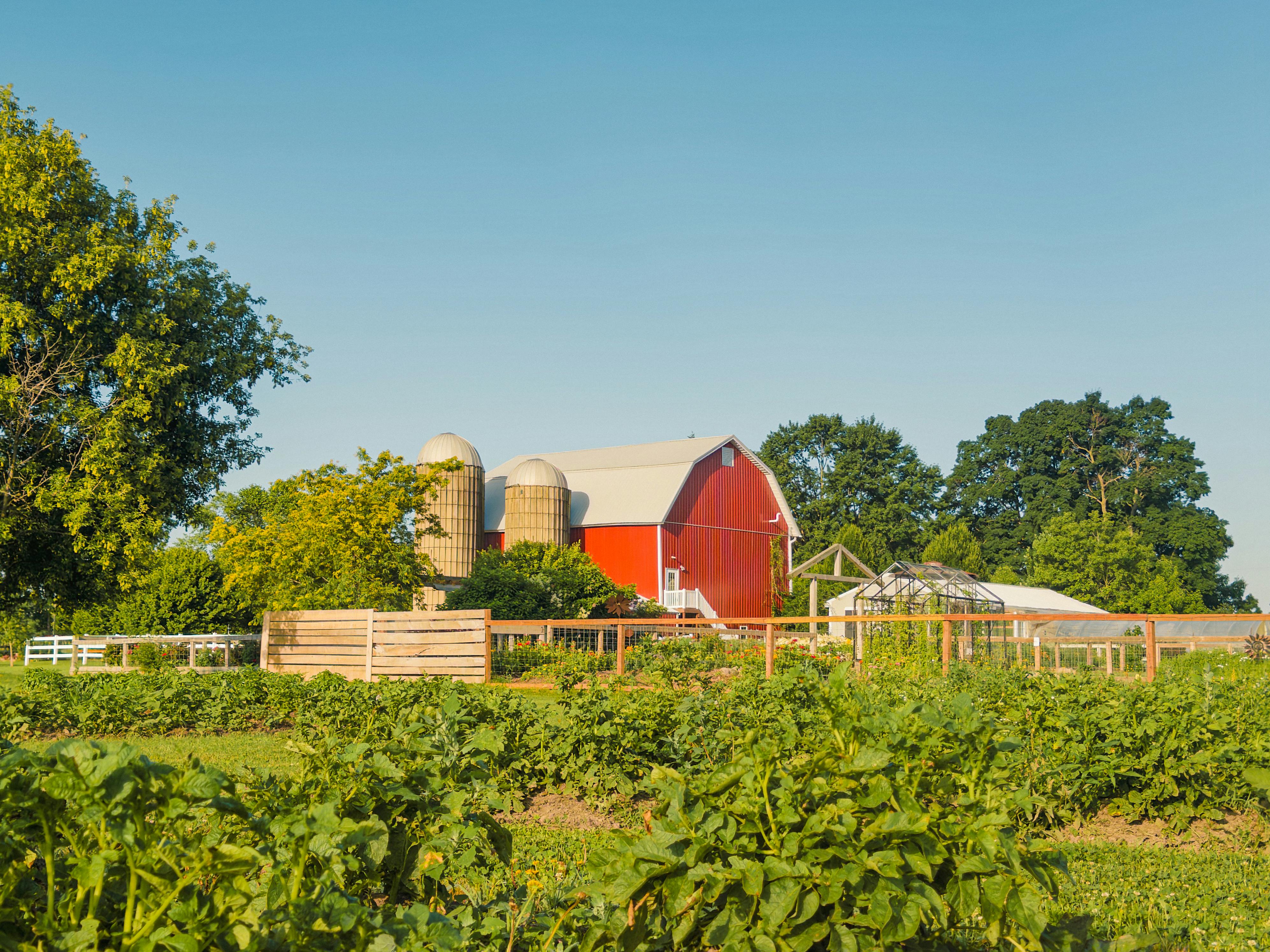
Michigan Agriculture: Cherries, Apples, Dairy & Grain
Why Michigan agriculture matters
Michigan blends specialty crop leadership with powerhouse dairy and grains. From tart cherries and apples to soybeans and corn, the state’s mix of commodities supports processors, co-ops, and year-round jobs—making Michigan one of the most agriculturally diverse states in the nation.
Snapshot: the essential facts
• Tart cherries: Michigan grows nearly 75% of the nation’s tart cherries. The Montmorency variety—developed in Michigan—is prized for antioxidants.
• Apples: More than 1.2 billion pounds harvested each year, creating $700M+ in economic impact; leaders in apples used for pies, sauce, cider, and juice.
• Dairy: Among the most productive in the U.S. by herd and per-cow averages; every load of Michigan milk is tested and free of added/artificial hormones.
• Grains: Roughly 2 million acres of soybeans (~$1B) and 2 million acres of field corn (~300M bushels, ~$1B) annually.
• Diversity: With 300+ commodities, Michigan is the second-most agriculturally diverse state in the U.S.—from blueberries and dry beans to pickling cucumbers, squash, and fresh flowers.
From numbers to impact: how Michigan’s farm economy shows up
Food
Cherries become dried fruit, juice, and pie fillings. Apples drive fresh and processed products—sauce, pies, cider, and juice. Vegetables and specialty crops feed regional canners and fresh markets.
Dairy
High-output herds supply fluid milk, cheese, yogurt, and ingredients. Rigorous testing and quality standards reinforce consumer trust and open doors to premium and export channels.
Feed & grain
Soybeans and corn underpin feed, biofuels, and ingredients. Grain handling, storage, and processing create steady demand for ag logistics and manufacturing across the state.
Specialty crop advantage
Michigan’s proximity to water, diverse microclimates, and research networks give growers an edge across fruit and vegetable categories—supporting agritourism and local food businesses in every season.
The human side: family operations and local economies
From orchard crews and farm market retailers to milk haulers and plant maintenance teams, Michigan farms translate into stable careers and small-business revenue across rural communities and small cities.
Support the producers behind these numbers
Farm Bureau membership is a simple way to back Michigan’s farm and ranch families. Members help advance commonsense ag policy, strengthen rural communities, and expand classroom resources. Benefits may vary by state program.
What membership supports:
- Advocacy — a grassroots voice on water, land, markets, and transportation.
- Education — ag-in-the-classroom, scholarships, and leadership programs.
- Community — county Farm Bureaus, service projects, and local events.
Join Michigan Farm Bureau: https://www.michfb.com/membership/join-mfb
Not in Michigan? Find your state Farm Bureau: https://www.fb.org/about/get-involved
Through our partnership with the Michigan Farm Bureau, we’re proud to support Michigan farmers with tools designed for real-world operations. As part of this partnership, Michigan Farm Bureau members receive exclusive Gripp pricing, helping operations digitize records, streamline daily work, and stay audit-ready—without adding complexity.
Learn more about Farm Bureau pricing:
https://www.gripp.ag/farm-bureau